Trusted Surrey Mold Inspection for a Cleaner Environment
Trusted Surrey Mold Inspection for a Cleaner Environment
Blog Article
Breathe Freely: Required Steps for Complete Mold Removal
Mold is a common problem in many homes, especially in moist areas. It poses significant health risks that can affect anyone. Effective removal requires particular equipment and protective measures. The process involves several key steps, from identifying the problem to guaranteeing lasting protection. Grasping these fundamentals can make a considerable difference. However, many homeowners overlook critical aspects that could lead to recurring issues. What are the most efficient methods for keeping spaces free from mold?
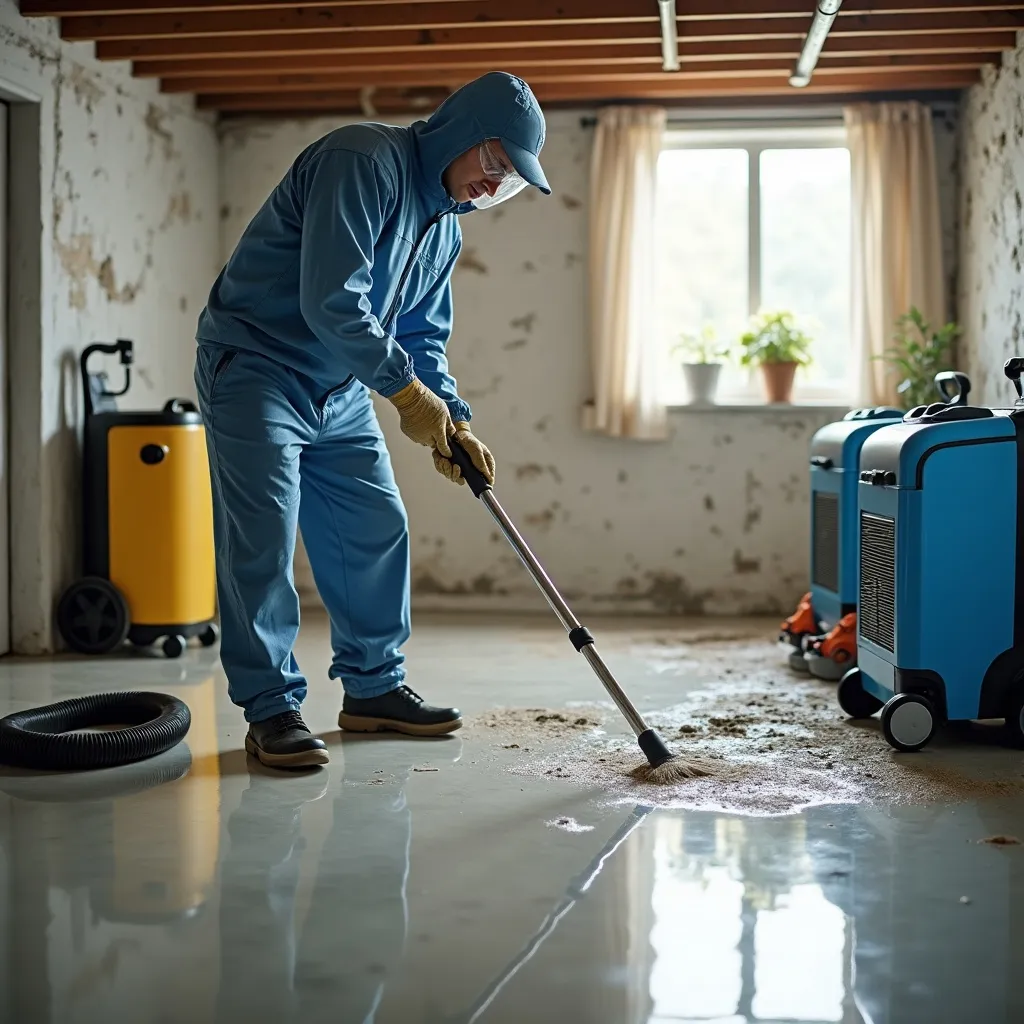
Noticing Fungal Challenges in Your Home
How can occupants spot mold concerns within their rooms? The presence of mold can often be spotted through visual signs and aromas. Homeowners should periodically review wet-prone locations, such as bathrooms, basements, and around plumbing fixtures. Any discoloration on walls, ceilings, or floors may expose mold growth. Additionally, a musty smell can be a prominent warning of hidden mold.
Another method to recognize mold problems is by tracking moisture content. Elevated moisture, particularly above 60%, creates an perfect environment for mold growth. Property owners should also be watchful for any signs of water leaks, as these can result in mold formation if left unaddressed. Ultimately, noticing any unexplained allergy symptoms or respiratory issues among family members may also signal a mold problem. Early detection is crucial for successful treatment and preserving a safe home environment.
Grasping the Bodily Concerns of Mold Interaction
Mold contact presents significant health hazards, particularly impacting respiratory health. Individuals may experience allergic responses, resulting in signs such as sneezing, coughing, and skin irritation. Recognizing these dangers is essential for preserving a safe living environment.
Mold-Related Respiratory Complications
Exposure to mold presents major health threats, specifically concerning respiratory issues. Mold particles, when inhaled, can inflame the air passages and lead to increased breathing difficulties. People in contact with mold may experience signs such as coughing, wheezing, and difficulty breathing. For those with pre-existing conditions like asthma or chronic obstructive pulmonary disease (COPD), mold contact can exacerbate signs, possibly leading to severe health complications. The presence of mold can also contribute to the development of breathing infections, as the body's defense mechanism is weakened. It is vital to tackle mold development quickly to mitigate these dangers and protect breathing wellness, particularly in at-risk groups such as children and the seniors, who may be more susceptible to the negative impacts of mold contact.
Allergic Reactions And Indicators
Allergic responses to mold can appear quickly, often causing a range of uncomfortable signs. Individuals contacting mold spores may experience sneezing, runny or stuffy nose, and ocular irritation. In some cases, skin rashes or hives may develop, indicating an allergic response. Symptoms can vary depending on the person's allergic threshold and the mold species present. Prolonged exposure may exacerbate existing conditions such as asthma, leading to increased respiratory distress. Additionally, those with compromised immunity or underlying health issues may face more serious reactions. Recognizing these symptoms is vital for timely intervention and efficient mold removal, protecting overall health and well-being. Understanding the particular health risks associated with mold exposure is essential for prevention and treatment.
Must-Have Tools for Effective Mold Elimination
Proper mold eradication necessitates the right tools to guarantee thorough and safe eradication. Necessary cleaning materials, combined with necessary protective clothing, are instrumental in protecting both the worker and the habitat. Understanding these critical items is imperative for successful mold mitigation.
Important Cleaning Supplies
A small set of crucial cleaning supplies can greatly facilitate mold removal. First, a robust scrub brush is necessary for effectively scrubbing surfaces to eradicate mold. A vacuum featuring a HEPA filter is also important, as it can capture mold spores and keep them from spreading. Additionally, a spray bottle filled with a suitable cleaning solution, such as vinegar or a commercial mold remover, helps in applying treatment directly to impacted areas. Microfiber cloths are advised for wiping down surfaces without leaving residue. Finally, a bucket can be convenient for mixing cleaning solutions or handling waste. Together, these supplies form a complete toolkit for combating mold successfully and efficiently.
Important Safety Gear Requirements
Defense equipment is critical when managing mold removal to protect against hazardous spores and chemicals. A reliable respirator is essential, as it blocks airborne particles, stopping inhalation of toxic mold spores. Additionally, gloves made from rubber or nitrile should be worn to shield the skin from direct contact with mold and cleaning solutions. Goggles are also mandatory to shield the eyes from irritants. It is suggested to wear long sleeves and pants, ideally made of durable materials, to reduce skin exposure. Finally, using disposable shoe covers can avoid spreading spores to unaffected areas. Together, these safety measures create a protective barrier, providing a safer mold removal process while protecting health.
Steps for Secure Mold Elimination
Addressing mold needs a systematic approach to guarantee effective and safe results. The first step involves determining the impacted zones, confirming that the extent of the mold proliferation is evaluated. Subsequently, the area should be separated to prevent spores from spreading during the removal process. This may involve closing the space with plastic sheeting.
After the area is secured, the person should wear proper safety gear, such as gloves, goggles, and a mask. The cleaning procedure typically involves cleaning areas with a solution of water and soap or using professional mold removal products. Porous materials that cannot be salvaged, like drywall or carpets, should be discarded.
Once removal is complete, it is vital to fully dehydrate the space to stop recurring development. Finally, discarding contaminated substances and cleaning the areas around it will help ensure that no spores stay. Adequate air circulation during this process is crucial to maintain air quality.
Preventing Next Mold Growth
After effectively removing mold, the focus should shift to preventing its return. Maintaining low humidity levels is critical, as mold grows well in moist conditions. Homeowners should aim for indoor humidity below 50%, utilizing exhaust fans and dehumidifiers in spaces with excessive moisture such as bathrooms and kitchens. Regularly inspecting and repairing leaks in roofing and plumbing can greatly reduce water buildup.
Additionally, guaranteeing proper venting in attic areas and crawl spaces is vital. This ensures enough air circulation, minimizing stagnant air that promotes mold growth. Regularly cleaning gutters avoids water overflow, which can infiltrate the home’s foundation.
Applying mold-resistant materials, such as paints and drywall, can supply an supplementary barrier of safeguard. In conclusion, regular cleaning and monitoring of areas susceptible to dampness, like bathrooms and basements, will assist in keeping mold away. By adopting these methods, homeowners can create an atmosphere inhospitable to mold development.
Understanding When to Connect to the Specialists?
Determining when to consult professional help for mold problems can be challenging for home owners. Many may initially work to address minor mold problems without help, but certain situations demand professional intervention. If mold covers an area larger than ten square feet, it is advisable to seek expert assistance. Additionally, homeowners should evaluate hiring professionals when mold appears in hard-to-access areas, such as behind walls or in ventilation systems, where thorough inspection and removal may be necessary.
Health concerns also play a significant role; persistent respiratory issues or allergic reactions among household members may indicate a more serious mold issue. Additionally, when the source of moisture cannot be readily found or fixed, experts can provide insight and solutions to stop it from happening again. In the end, identifying indicators of a significant mold problem guarantees the health and welfare of all occupants, making timely professional help a worthwhile investment.
Tips for maintaining a mold-resistant environment
Maintaining a mold-resistant setting requires consistent effort and consciousness, especially after tackling any mold concerns. Regular examinations of susceptible areas, such as basements, bathrooms, and kitchens, can help catch emerging problems in advance. Controlling moisture levels below 50% is vital; using air dryers and confirming proper ventilation contributes to this goal.
Regular maintenance with anti-mold treatments, particularly in damp areas, reduces the likelihood of mold growth. It is also beneficial to promptly address any leaks or water damage, resource as standing water creates an ideal breeding ground for mold.
Moreover, using mold-resistant products when renovating or building can even more protect against future infestations. Homeowners should remain conscious of indoor plants, as overwatering can also cause mold issues. By implementing these preventative measures, individuals can create a improved living space and markedly reduce the risk of mold reappearance.
Typically Posed Topics
What represents Timeframe for Mold Growth?
Mold may commence growth in 24 to 48 hours under ideal conditions, such as heat and dampness. However, visible signs could require several days to weeks to show up, depending on environmental factors.
Can You Eradicate Fungal growth Using Standard Cleaning Products?
Mold can usually be removed with common household cleaners, such as bleach or vinegar, but effectiveness may vary. Difficult mold problems may need specialized treatments or professional assistance to guarantee full removal and prevention of return.
Are All Types of Mold Toxic or Dangerous?
Mold isn't universally poisonous or dangerous. While certain types can cause health issues, most are safe. Recognizing the specific type of mold present is crucial for determining possible dangers to health and safety.
By What Means Can I Recognize Obscured Fungus Located in My Home?
To find hidden mold in a home, one should examine damp areas, look behind walls and appliances, notice discoloration, and use moisture meters or mold testing kits for detailed assessment.
How Can I Handle Mold if It Comes Back After Removal?
If mold resurfaces after removal, it's important to identify and address the underlying moisture issue. Completely scrub the affected area again, increase air flow, and consider consulting professionals for persistent problems to guarantee successful resolution.
Report this page